Autologous Fat Grafting in Baton Rouge, LA
If you're looking to refine the results of a breast reconstruction or revision, autologous fat grafting offers a way to do it using something your body already has: your own natural fat.
At Ford Plastic and Reconstructive Surgery, Dr. Kate Chiasson uses this technique to create softer, more natural-looking results, always with a plan built around your individual goals.
What Is Autologous Fat Grafting?
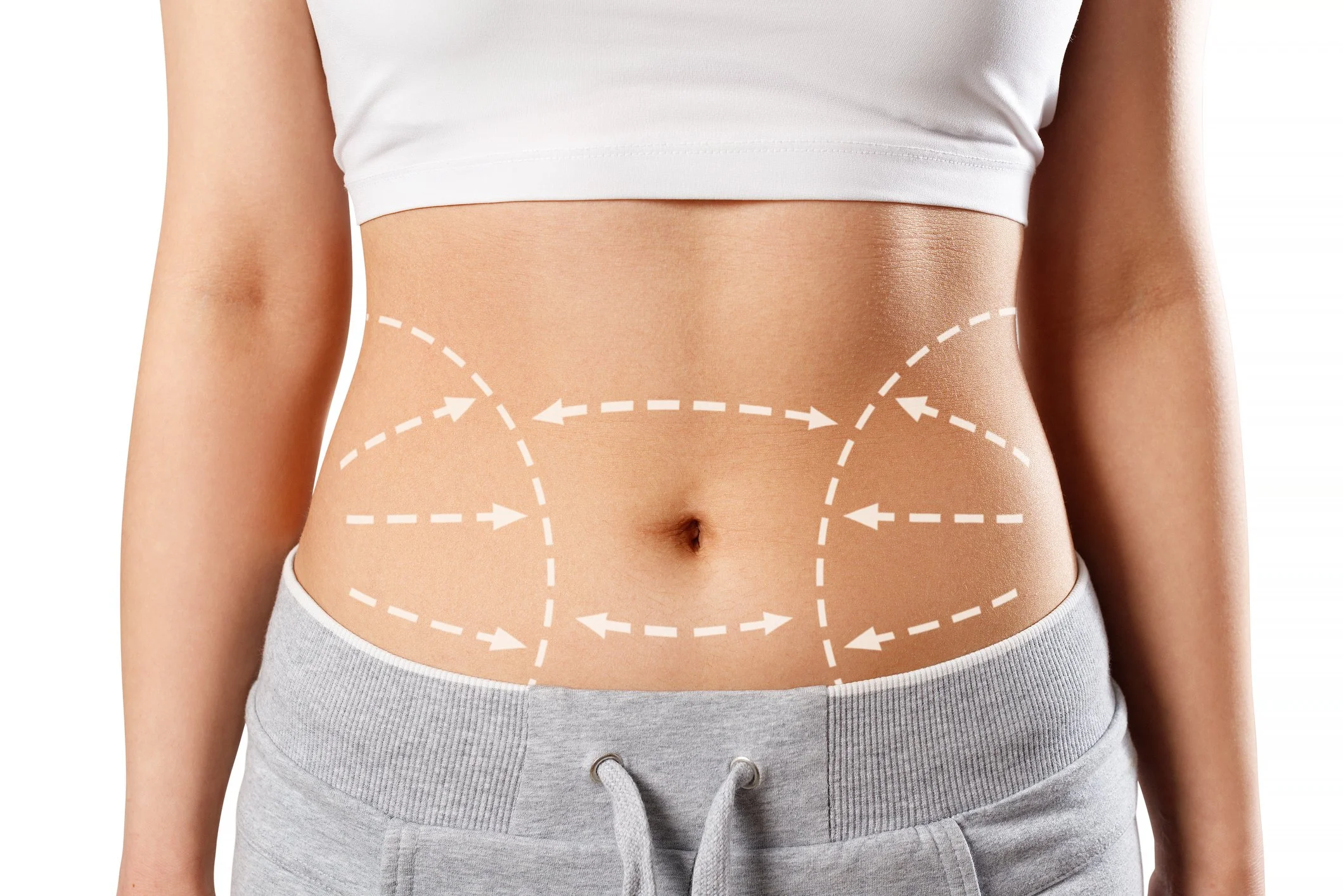
Autologous fat grafting (AFG) is an elective procedure in which fat is harvested by liposuction, usually from the abdomen, hips, or thighs, and then transferred by injection to the breast to improve the cosmetic result following breast reconstruction or revisional breast surgery. Because the fat comes from your own body, it integrates naturally, and as a nice bonus, it can subtly slim the area it's taken from.
Fat grafting can be performed on its own or in conjunction with other reconstructive or cosmetic breast surgery, which allows Dr. Chiasson to tailor your treatment to exactly what you need. In some cases, more than one session of fat grafting may be needed to achieve the optimal result, and that's completely normal, we'll always walk you through what to expect so there are no surprises along the way.
What to Expect from the Procedure
Autologous fat grafting is typically performed as an outpatient procedure under general anesthesia, meaning you'll be able to return home the same day. Because the technique uses your own tissue rather than an implant, many patients appreciate how natural the results can look and feel.
As with any procedure, fat grafting has both benefits and considerations to weigh. Dr. Chiasson will take the time to discuss the benefits and risks of fat grafting with you during your consultation, so you can make a confident, well-informed decision that's right for you. There's no one-size-fits-all approach here, only a plan designed around your body and your goals.
Ask The Expert
Dr. Kate Chiasson

-
The fat is gently harvested through liposuction from an area where you have a little extra to spare, most often the abdomen, hips, or thighs. It's then purified and injected into the breast. So in a sense, the procedure does two things at once: it refines the breast while subtly slimming the donor area. During your consultation, we'll talk through which donor site makes the most sense for you.
-
When fat is transferred, not all of it survives, your body naturally reabsorbs a portion in the first few months, and the fat that "takes" becomes a permanent, living part of that area. Because of this, achieving your optimal result sometimes takes more than one session, spaced a few months apart to allow for healing and to see how much volume held.
-
Once the transferred fat establishes a blood supply and settles in over those first few months, it tends to be long-lasting. The fat that survives behaves just like the rest of your body's fat, which means it can change with significant weight fluctuations, pregnancy, or the natural aging process. Patients who maintain a stable, healthy weight generally enjoy the most durable results.
-
It can be, though the two serve somewhat different purposes. Because fat grafting uses your own natural tissue rather than an implant, many patients love how soft and natural the results look and feel. It's often used to refine and improve the outcome of a breast reconstruction or revision, and it can be done on its own or alongside other procedures. Whether it's the right approach for you really depends on your goals, and that's exactly what we'll explore together during your consultation.
-
It depends on your situation. When fat grafting is part of breast reconstruction and considered medically necessary, some insurance plans may provide coverage, though certain plans still treat the technique as experimental. Purely cosmetic fat transfers typically aren't covered. Because every plan is different, the best step is to check directly with your provider, and my team is happy to help you understand what to expect.
-
Fat grafting is typically performed as an outpatient procedure under general anesthesia, so you'll head home the same day. You can expect some swelling and tenderness at both the donor and treatment sites at first, and we'll provide clear, personalized aftercare instructions to guide you through healing. Most patients settle back into their routine comfortably.

Natural Results, Using What Your Body Already Has
Schedule a consultation with Dr. Chiasson to learn how fat grafting can refine your reconstruction or revision results, and whether it's right for you.