
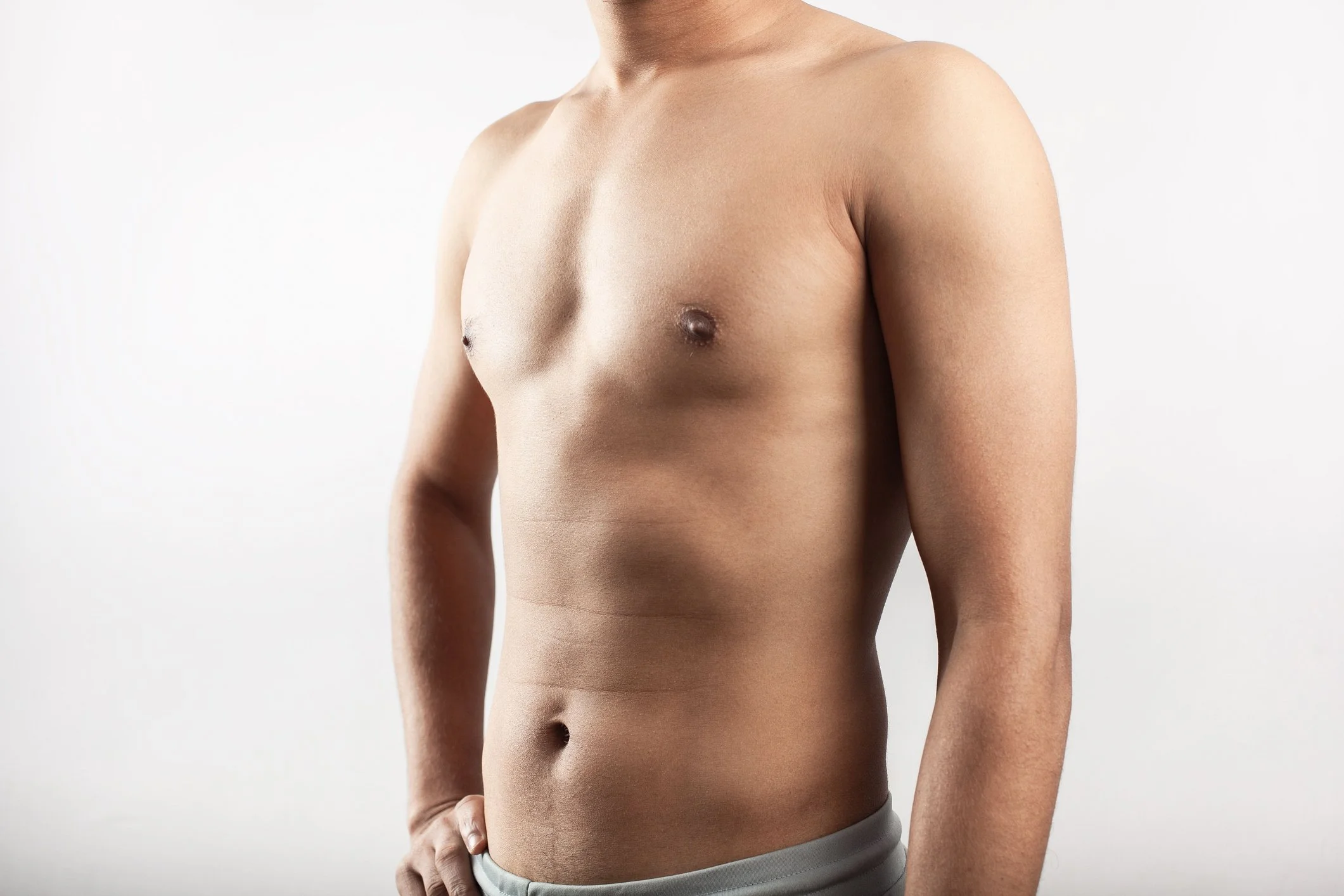
Male Breast Reduction in Baton Rouge, LA
Feeling self-conscious about your chest is more common than most men realize, and it's nothing to be embarrassed about. If enlarged male breasts have made you hesitant to take your shirt off at the pool or the beach, you're far from alone, and there are real options to help. At Ford Plastic and Reconstructive Surgery, Dr. Kate Chiasson combines surgical skill with genuine empathy to treat this sensitive condition, so you can feel comfortable and confident in your own skin.
What Is Gynecomastia and What Causes It?
Gynecomastia is the medical term for overdeveloped or enlarged male breasts, and it's far more common than many men expect. This condition affects at least 40% of the male population. For some men it begins in adolescence, while for others it develops later in life. Gynecomastia is characterized by excess breast glandular tissue, excess breast skin, and/or excess fatty tissue, and it typically affects both breasts (a pattern known as bilateral).
It's worth knowing that having gynecomastia doesn't mean anything is "wrong" with you. Bodies naturally differ, and this is simply one of the many normal variations we see. Our goal is always to explain what's happening and walk you through your options with honesty and support.
The condition can have a number of underlying causes, including certain medications, steroids, marijuana use, androgen (male hormone) deficiency, testicular tumors, excess weight, liver disease, and kidney disease. Because these causes matter, part of a thoughtful treatment plan is identifying and addressing any contributing factors first. Surgical treatment may or may not be covered by insurance, and we're happy to help you understand what to expect. The best candidates for surgery are men in good health who are willing to eliminate any causative agents and follow their post-operative care instructions. During your consultation, Dr. Chiasson will take the time to review your health history and help you determine the right path forward for you.
Gynecomastia Surgery Overview
Gynecomastia surgery is performed under general anesthesia on an outpatient basis, meaning you'll be able to return home the same day. In most cases, Dr. Chiasson uses an incision at the lower edge of the areola to remove excess breast tissue and gently suction away fat. In more severe cases, excess skin is also removed, which leaves longer scars that are carefully placed within the natural folds of the skin to keep them as discreet as possible. Sometimes a small drain is used for a few days, and a compression vest is worn for several weeks to support healing.
Every plan is tailored to you. There's no one-size-fits-all approach here, and Dr. Chiasson will design a treatment plan around your specific anatomy, health, and goals.
The Goal: Confidence and Comfort
At the heart of it, gynecomastia surgery is about more than a physical change. Many of our patients describe a real sense of relief afterward, along with renewed self-confidence and a better quality of life. Feeling at ease when you take off your shirt, whether that's at the beach, the gym, or at home, can make a meaningful difference in how you move through the world.
If you've been wondering whether gynecomastia surgery might be right for you, we'd love to answer your questions in a comfortable, judgment-free setting.
Ask The Expert
Dr. Kate Chiasson

-
If your enlarged chest is caused by excess fat, then yes, losing weight can make a real difference. But true gynecomastia involves excess glandular tissue, and that tissue doesn't respond to diet or exercise no matter how hard you work at it. I've had many patients come in frustrated after years of workouts and clean eating, wondering what they're doing wrong, and the honest answer is nothing. When glandular tissue is the cause, surgery is the most reliable way to address it.
-
That's always the goal. I approach this work as a blend of science and artistry, and a natural, masculine chest contour is what we're after, not an obvious "surgery" look. I place incisions thoughtfully, usually at the lower edge of the areola where they're easiest to conceal, so the focus stays on the result and not the scars.
-
For most patients, the results are lasting, which is wonderful news. That said, gynecomastia can potentially return if the underlying cause isn't addressed, for example, certain medications, steroids, or significant weight gain. That's exactly why I take the time upfront to understand what caused your gynecomastia in the first place. Addressing the root cause is part of giving you a result that lasts, and I'll walk you through anything you can do to help maintain it.
-
Everyone heals a little differently, so I'll give you guidance tailored to your procedure. In general, gynecomastia surgery is done on an outpatient basis, so you'll go home the same day. You'll wear a compression vest for several weeks to support healing, and if I use a small drain, it usually comes out within a few days.
-
It depends. Some cases may be covered and others may not, and it often comes down to the underlying cause and your specific plan. The financial side can feel uncertain, so we'll help you understand your options and what to expect.
Start Your Journey
If you've been wondering whether gynecomastia surgery might be right for you, we'd love to answer your questions in a comfortable, judgment-free setting.